
Contents
A cheaper plan rarely fails because of the price. It fails because of one worry: «Then I have to send everyone my new number.» You don't. In Switzerland you can take your mobile number with you to a new provider, this is called porting. Here is how it works in practice and what matters.
What porting means
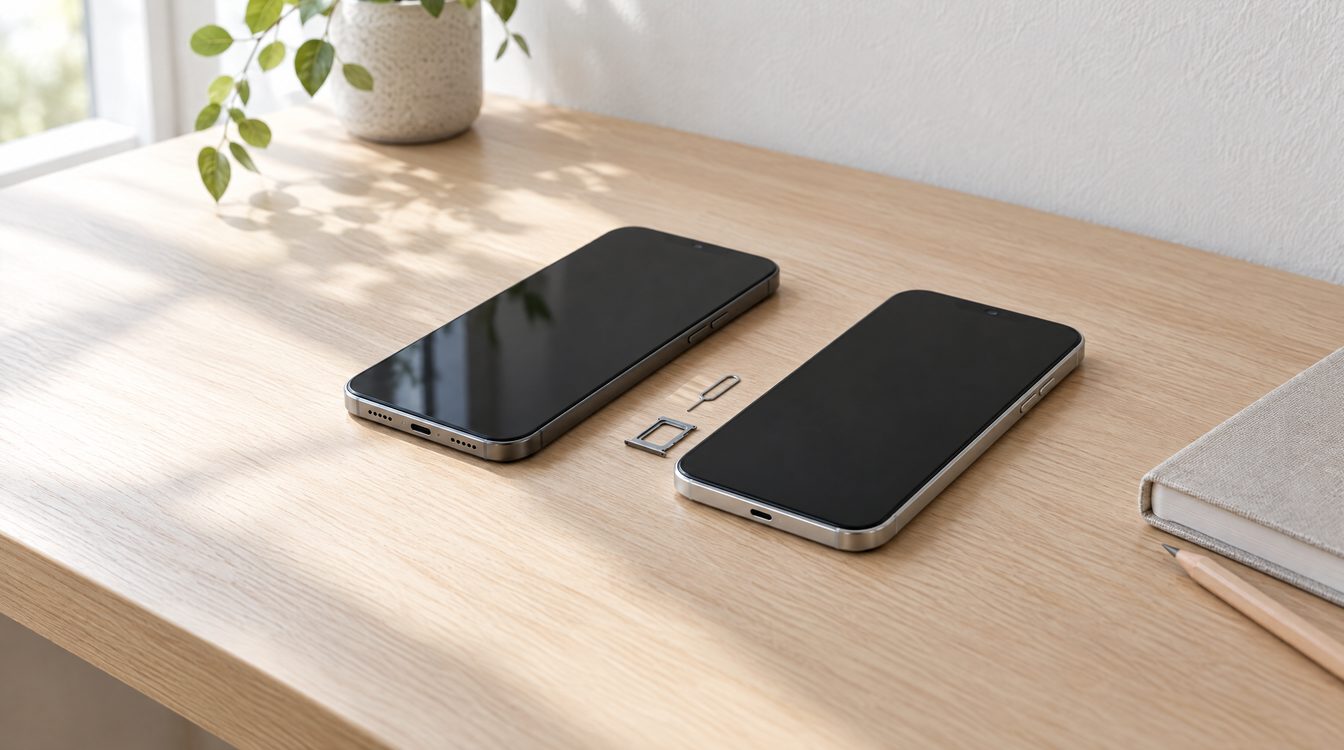
When you port your number, only the provider behind it changes. The number itself stays the same, and your contacts, WhatsApp, banking apps and two-factor codes by SMS keep working as before. You get a new SIM card or an eSIM from the new provider, and from the switchover date your usual number runs on it.
What to have ready before switching
- ID: A mobile plan in Switzerland requires identification, so have your passport, ID card or residence permit ready.
- Details of your current contract: number, current provider, whether it is a plan or prepaid, and who the number is registered to.
- Contract holder: The number must be registered to you. If it still belongs to your parents' family plan or to your employer, for example, you need their consent.
- Notice period and minimum term: Check your old contract. If a minimum term is still running, your old provider may charge remaining costs.
The most important tip: do not cancel yourself
The most common mistake when switching is cancelling the old contract yourself. If the old contract ends before the porting is complete, the number can be lost. So the rule is: you instruct the new provider to port your number, and it takes care of moving the number. Quickline also says on its mobile plans page that you should leave the cancellation to the new provider.
How switching to Quickline via remarket works
- Choose your plan: On remarket.ch/abo you put together your Quickline plan and select «Keep number».
- Enter your details: You enter your current number, provider and type of contract. For several lines, for example in a family, you do this per number.
- Sign the authorisation: Porting requires a signed authorisation. We prepare it with your details, you check and sign it.
- Receive your SIM or eSIM: You get your new SIM card or eSIM. Until the switchover date you keep using your old SIM as usual.
- Switch over: On the switchover date your number moves. Then you insert the new SIM or activate the eSIM, and you are done.
You can find all details on porting with Quickline on our page Keep your number.
eSIM or SIM card when switching
Both work with porting. An eSIM is handy if your phone supports it: no card, no waiting for the post. A classic SIM card makes sense if you often switch between devices or use an older phone. We explain how to set up an eSIM in our eSIM guide.
What happens during the switchover
The switchover itself is short. Normally you are without signal briefly or not at all. Still, do not plan it for a day when you absolutely must be reachable, for example for a bank approval by SMS. After the switch, a quick test is worth it: call someone, send an SMS, check mobile data.
In person instead of alone at the screen
If you would rather talk to someone: in our stores in Basel, Egerkingen (Gäupark) and Schönbühl (Shoppyland) we advise you on Quickline plans and help you fill in the form. Bring your ID and the details of your old contract, and the switch is recorded in a few minutes.
Frequently asked questions
Can I take my mobile number to any provider in Switzerland?
Do I have to cancel my old contract myself?
Does porting also work with a prepaid number?
What do I need to switch to Quickline via remarket?
Can I also get advice in a store?
Related to this article
Instant quote in 2 minutes, payout within 24 hours after inspection. Or buy certified refurbished with a 1-year warranty and 14-day returns.